


Pediatric to Adult Healthcare Transition
During childhood, you usually help with health and health care needs—calling to set up appointments, filling out forms, and keeping track of medications. As your youth gets older, managing those needs becomes their own responsibility. Achieving this independence requires an organized transition process for them to gain independent health care skills, prepare for an adult model of care, and transfer to new clinicians.
Got Transition® is the federally funded national resource center on health care transition (HCT). Its aim is to improve the transition from pediatric to adult health care through the use of evidence-driven strategies for clinicians and other health care professionals; public health programs; payers and plans; youth and young adults; and parents and caregivers.
AAP Health Care Information for Families
You can print a checklist for your child’s age, to take with you to your pediatrician here:
You can also print the Down Syndrome Growth Charts, updated by the CDC in November 2015
- Boy, Height, 2 to 20 years
- Boy, Weight, 2 to 20 years
- Girl, Height, 2 to 20 years
- Girl, Weight, 2 to 20 years
Transition to Adulthood Resource
Download the recently updated, Down Syndrome Transition Handbook on topics ranging from accessing adult supports and services like Medicaid waivers to building community to developing technology skills.
Post Secondary Education
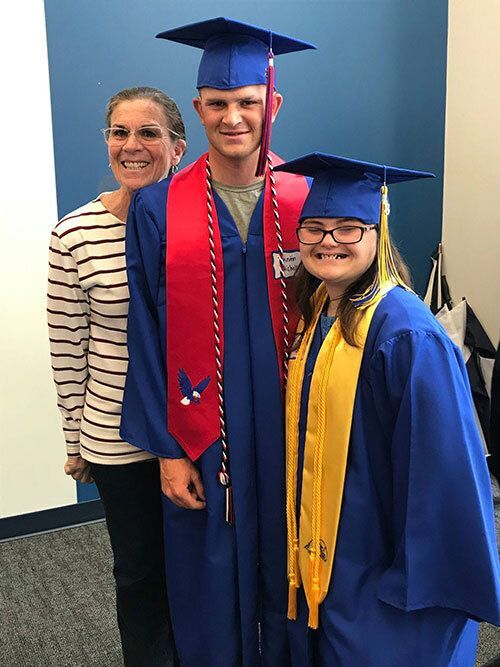
Currently, over 320 colleges and universities open their doors to students with intellectual and developmental disabilities.
Think College provides resources, technical assistance and training related to college options for students with intellectual disability. Think College has extensively organized all the post secondary education programs throughout the country by state. Through their college search tab, you can locate post secondary programs within your area for your loved one.
Scholarship and Grants
The NDSC Jake Pratt Scholarship presented by UPS provides individual scholarships to people with Down syndrome who are currently enrolled or accepted in an inclusive postsecondary education program that will enhance their life through employment, independent living, life skills, or interests in any other areas. The scholarships may provide $5,000 and $1,000 scholarships.
Ruby’s Rainbow is a 501(c)(3) non-profit organization inspired by a girl named Ruby who was born with Down syndrome. Ruby’s Rainbow offers scholarships to students with Down syndrome so they can chase their dreams of higher education and independence.
Additional scholarships are available by checking this Think College resource on scholarships for students with intellectual disabilities.
